Mameganna
Solo project
Inspired by the work of generations of craftspeople
2024–ongoing
Inspired by the work of generations of craftspeople
2024–ongoing

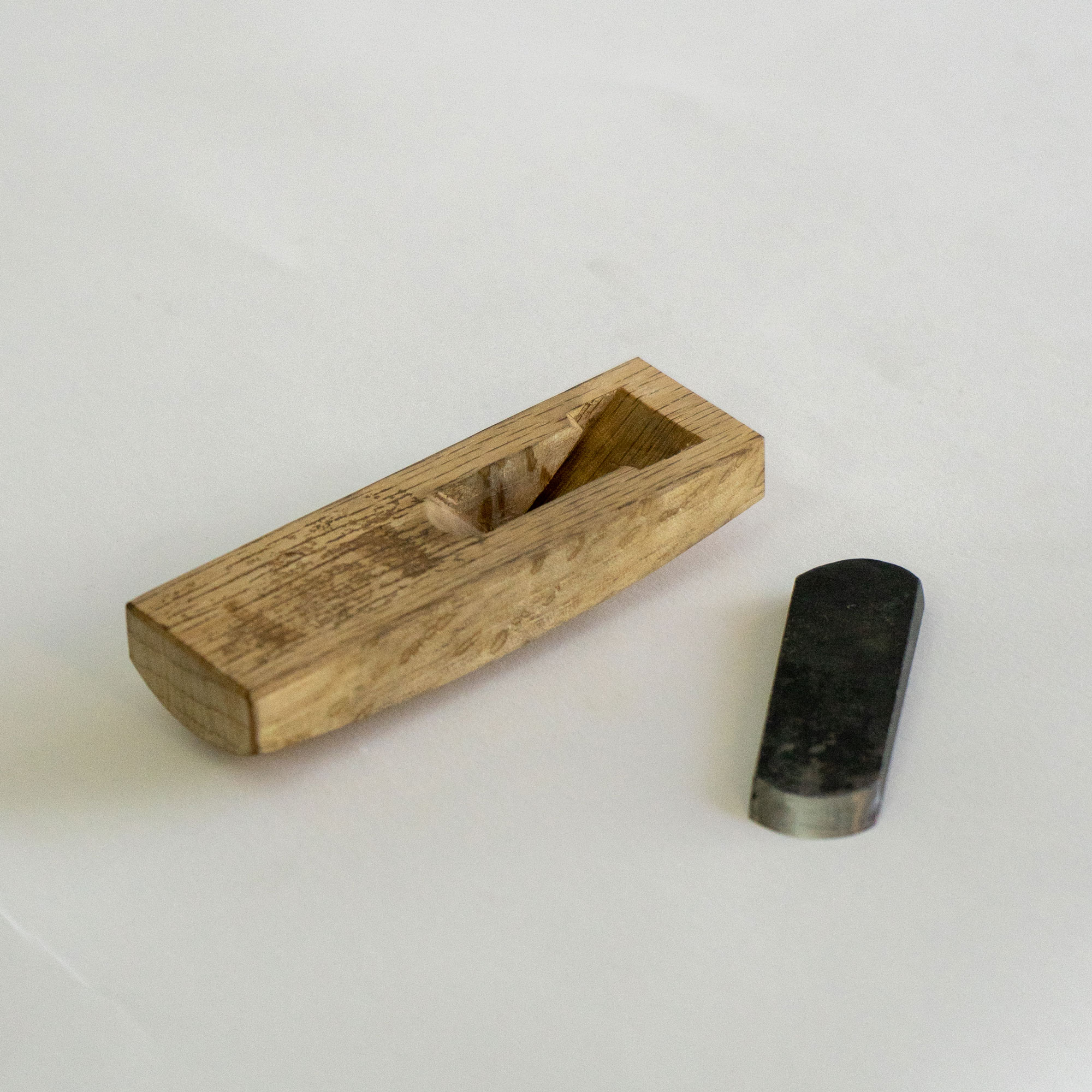
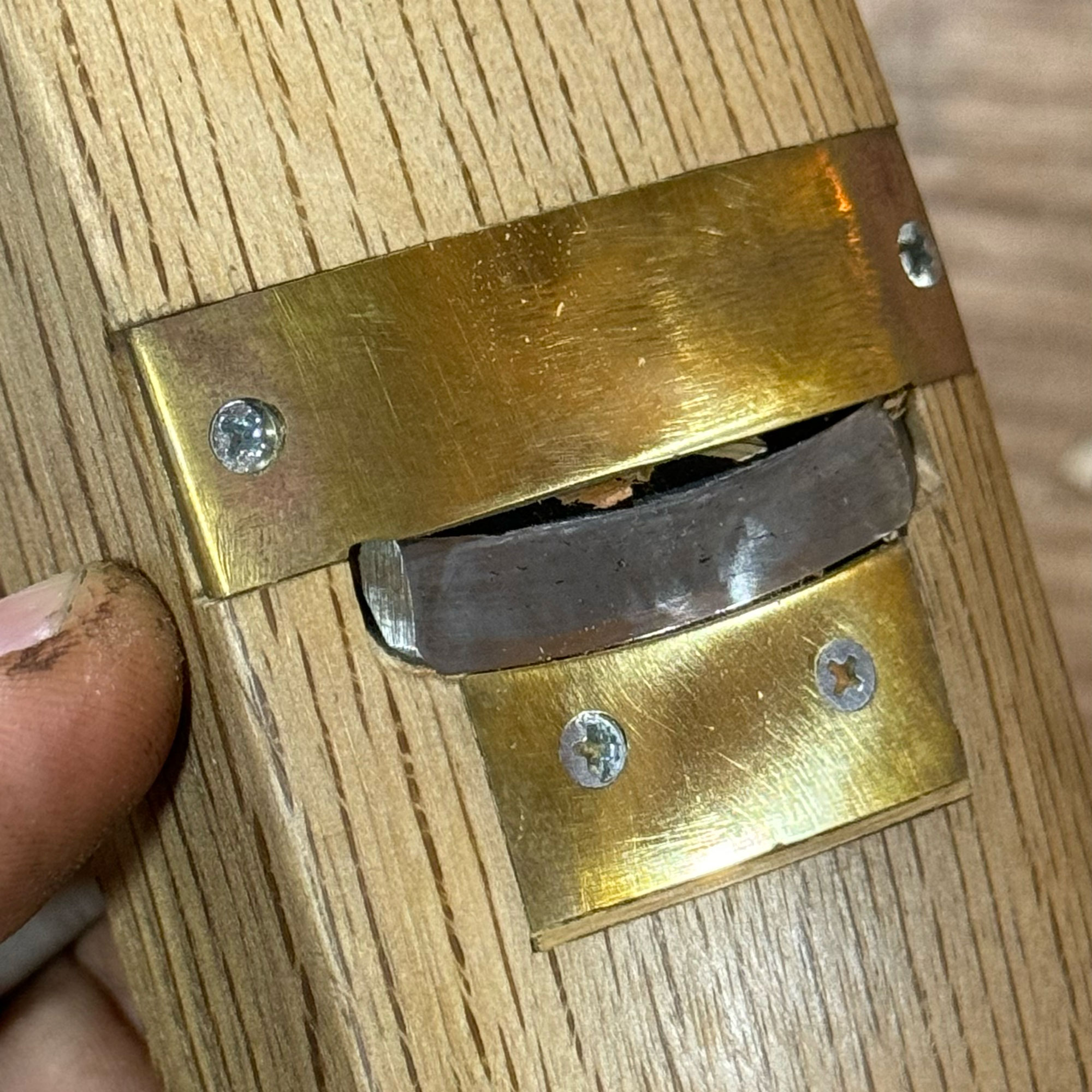
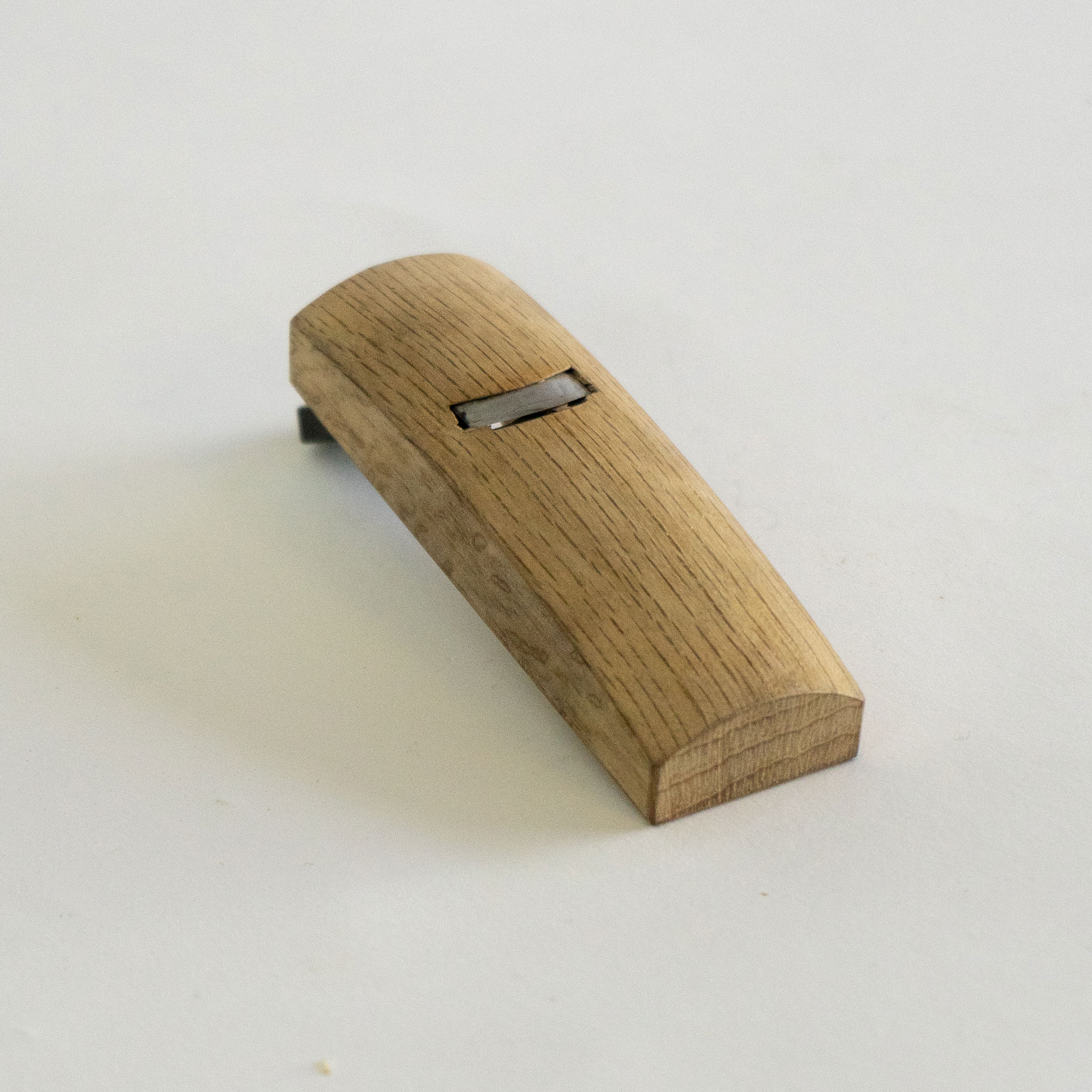
How do you achieve a controlled surface texture on an inside, compound curve? One approach is a gouge, but a gouge has no fixed depth and therefore offers limited control as a repeatable variable. In contrast, historical Japanese woodworking employs the mameganna, or “bean plane”: a compound-curved plane for adjustable cutting depth directly to a fixed compound curvature within the tool geometry.
This allows subtle, consistent texturing as well as rough shaping, even within deeply concave forms such as the bowl of a spoon, and still operates as a highly efficient historical system—one that produces results at a speed equal to router tooling, but with greater surface finish and adjustability.
This allows subtle, consistent texturing as well as rough shaping, even within deeply concave forms such as the bowl of a spoon, and still operates as a highly efficient historical system—one that produces results at a speed equal to router tooling, but with greater surface finish and adjustability.