Proposal Text
This study investigates the historical and contemporary limitations of the palette in wood veneers used for figurative and geometric marquetry. The project explores how regional availability versus long-distance trade influenced veneer selection across continents and time periods. It also examines whether the use of color in marquetry reflected locally available materials or demonstrated a demand for imported woods, particularly vivid species not native to Europe or North America.
Building on recent research into the cross-cultural influences between Chinese and Anglo-American furniture, supported by a Winterthur Museum fellowship, I propose further investigating the bidirectional exchange of veneer practices between China, Europe, and America. Specifically, this research will explore how the availability of naturally colored woods shaped regional aesthetics and preferences for figurative versus geometric marquetry forms. I hypothesize that the decline of exotic and endangered wood species—due to overlogging or historically limited applications in construction—continues to constrain the palette available to marquetry practitioners, despite the contemporary availability of dyed veneers.
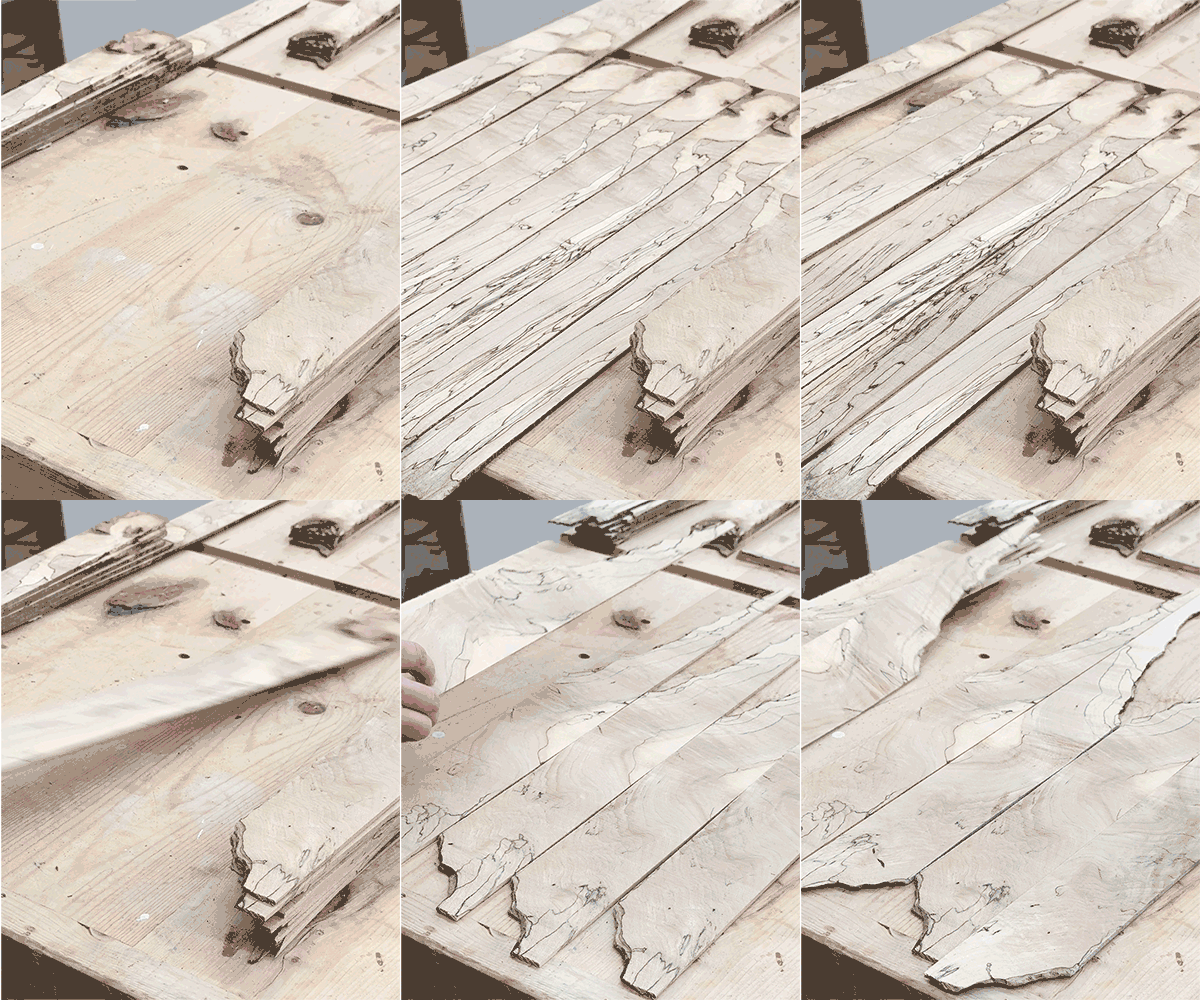
To address the ethical challenges of sourcing endangered or exotic species, I propose an experimental approach: sawing veneers from locally logged trees traditionally considered unsuitable for lumber. This study will explore the potential of overlooked species in New England, including shrubs and small-diameter trees, to produce striking reds, blacks, and other colors. These veneers, created from abundant yet underutilized regional materials, could form the basis for a truly regional marquetry palette specific to Rhode Island and Massachusetts.
In addition to scholarly research, the project includes a creative practice component. Drawing on traditions of Americana folk art, American sawn marquetry, Italian cut-knife marquetry, and Chinese cracked ice marquetry, I will create custom veneers from local materials and incorporate them into new works. This practice-based research will expand the medium’s palette while highlighting sustainable, site-specific approaches to marquetry.